Martin Schulz, the leader of the Social Democratic Party and a former European Parliament president, is seen as the underdog in the race for Germany’s top job.
But he has remained upbeat during the campaign ahead of the 24 September vote, insisting his party can close the gap and unseat his centre-left rival, Chancellor Angela Merkel, after 12 years in power.
Here is a look at his career ahead of the German federal parliamentary elections.
Who is he?

Mr Schulz has been in politics since the mid-1990s
Mr Schulz, 61, has spent most of his career – 23 years – in the European Parliament, where he served as president from 2012 until he resigned this year to contest the German election.
His highest elected position in Germany was as mayor of the small western town of Wuerselen.
He was born in western Germany in 1955 as the fifth child of a policeman and housewife, who he described as “simple and very decent people”. At school, he had been hoping to become a professional footballer but was struck down by injury.
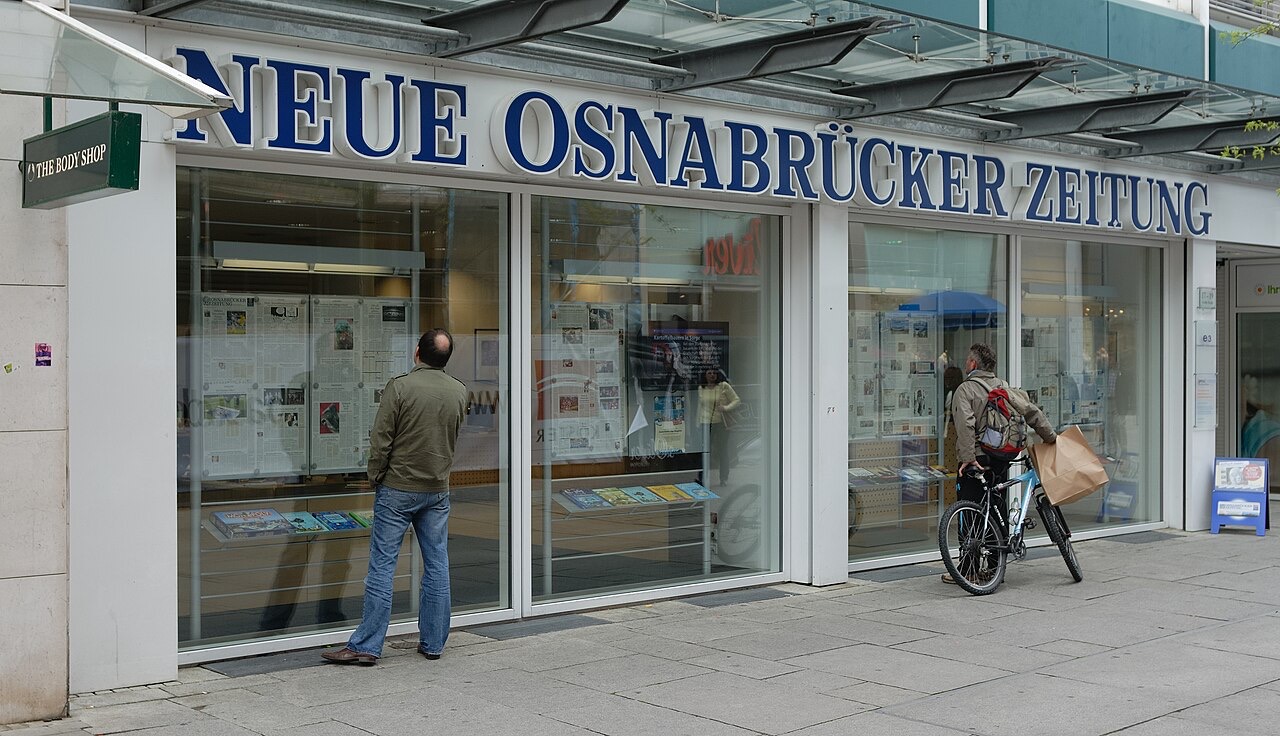
He fell into depression and heavy drinking but managed to pull himself back together and, rather than going to university, trained as a bookseller. He opened a bookshop before becoming a member of the European Parliament in 1994.

All you need to know about the German election
In 2003, he clashed spectacularly with former Italian prime minister Silvio Berlusconi. During a pointed exchange between the two in the European Parliament, Mr Berlusconi suggested Mr Schulz should audition for the role of a “kapo” – a concentration camp guard.
The incident caused widespread outrage for Mr Berlusconi and a diplomatic rift between the pair. In Germany, it also helped make Mr Schulz a household name.
“I felt humiliated,” Mr Schulz recalled years later, according to the Financial Times.
The year he became the European Parliament chief, 2012, he collected the Nobel peace prize on behalf of the bloc, along with other EU officials.
What can we expect?
Mr Schulz has spent almost all of his adult life as a member of the Social Democratic Party (SPD). During the campaign he reiterated his calls for free education, more investment such as in nursing care and schools as well as qualification programmes for the unemployed.
He vowed to close the “intolerable pay gap” so men and women in both eastern and western Germany get the same amount of pay for doing the same work, and has pledged to get rid of US nuclear weapons stationed in Germany.
He visited Italy to discuss a European-wide approach to the refugee crisis, opposes the idea of a cap on refugees, and has sought for the most part to keep the issue of Mrs Merkel’s handling of the refugee influx outside of the campaign.




Leave a reply