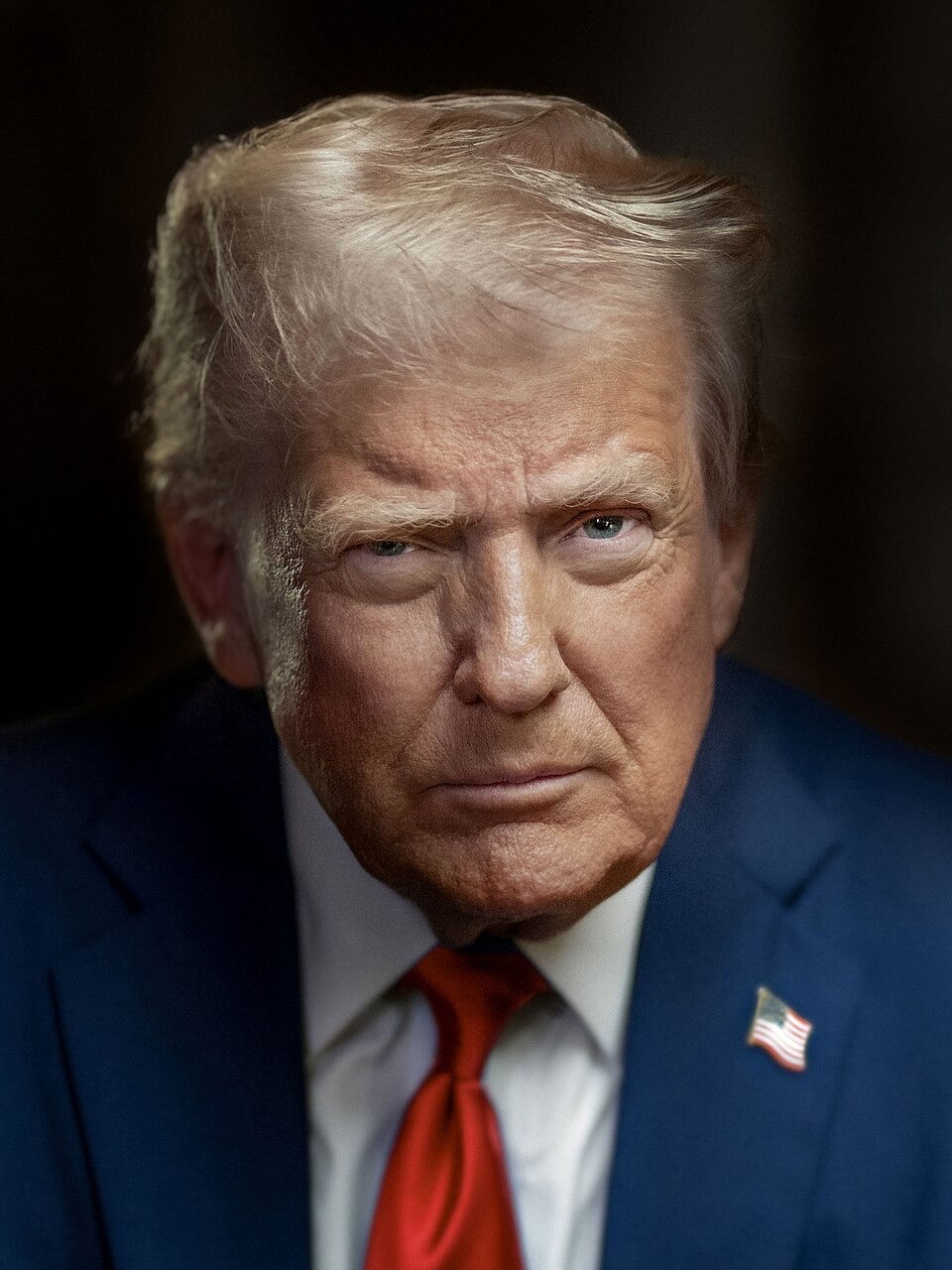
It takes longer to pull out of the Paris accord than it does to withdraw from the EU, so President Trump’s decision is going to stick around until the next presidential election.
By then, we’ll know what sort of an impact it will have had upon the American economy.
For one thing, we’ll have seen whether he managed to reinvigorate all those coal mines.
Donald Trump said the accord was “punishing” America’s coal industry, with a resultant loss of jobs.
:: Anger as US quits climate deal ‘to save jobs’
But few believe that withdrawing from the Paris accord will actually reverse that decline.
For one thing, the coal industry has been declining for decades for the simple reason that power stations don’t need the product.
Natural gas is cheaper and cleaner. Solar power is growing. America leads the way in shale gas, and is also developing wind and hydro power.
The US simply doesn’t need as much coal any more – these days, only around 27% of the energy used by America’s power grid comes from coal-fired power stations, and that figure has been declining for a long, long time.

What is the Paris agreement?
Coal-fired power stations have been closed, and there are no plans to build any more.
Yes, Mr Trump is correct that a new coal mine will open shortly, but it will employ a maximum of 100 people, and produce specialist coal for steel production.
:: World leaders condemn Trump’s climate change u-turn
In fact, there is only one way that Mr Trump could really have helped the coal industry in his country, and that was by hobbling the rest of the energy sector.
Instead, he’s signing forms to allow more drilling for natural gas, which will end up pushing down the price of gas and make coal-mining even less viable as a business.
The fact is that, even if the US had stayed in the Paris accord, it would probably still have met its climate change obligations, thanks to emission controls and a greater reliance on renewable energy.
And twice as many American voters work in the solar energy industry than in coal.
Mr Trump is resolute, though, that he will no longer abide by the strictures of the Paris accord, and maintains that pulling out will help the US economy, saving jobs, stimulating production and ensuring a reliable source of energy.
He says the decision will save the US trillions of dollars, although it’s hard to find any reliable data to back that up.












Leave a reply