
So why are we still looking at cat videos?
In the early 2000s, the internet seemed poised to deliver a cultural revolution. It was around this time that the first user-generated content tools began appearing online and pundits believed these tools would usher in a new era of human creativity.
Tech evangelists promised YouTube would free filmmakers from Hollywood’s clutches; Blogspot would expose fresh, new literary voices and photographic perspectives; Wikipedia would provide a high-quality encyclopedia of human history to anyone with internet access; MySpace would allow independent musicians to connect directly to listeners. On the heels of those tools came Facebook, a vast social (and later distribution) network that gave creatives a direct line to an audience hungry for content.
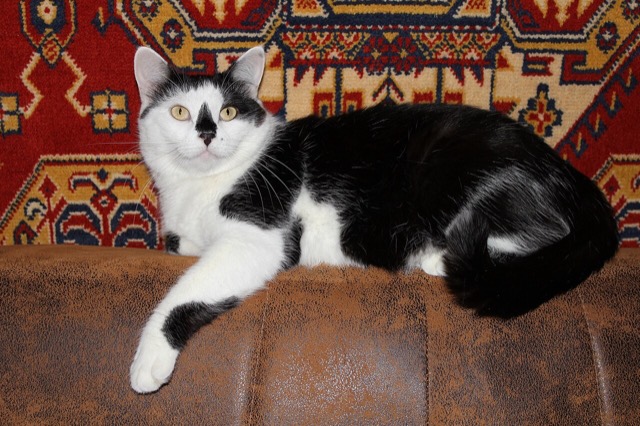
Unfortunately, the cultural golden age we were promised never arrived. Instead of artistic photography, we were swamped with cat pictures. In lieu of the next “Citizen Kane,” YouTube treated us to videos of skaters breaking their legs. Blogging did accelerate many writers’ careers, but now we’re surrounded by everyone’s poorly written, banal thoughts and it’s hard to find reliable, fact-checked information on anything.

Musically speaking, there were some success stories. Back in its early days, MySpace helped Clap Your Hands Say Yeah rise from Brooklyn obscurity to multi-platinum success. Today, however, most of the music we consume on YouTube comes straight from record company VEVO channels; Spotify is designed to reward record companies rather than artists and it can’t seem to turn a profit.












Leave a reply