
They’ve been planning for 60 years.
On April 21st, Queen Elizabeth II will turn 91 years old. During her 65-year reign, she’s outlasted 12 US presidents and she is the only queen most British citizens have ever known.
Here in the States, we have dynastic families — the Kennedys, the Bushes, the Clintons — but the American government is specifically designed to limit and control the power of our political leaders. And while both British power specifically and monarchal power on the whole have declined considerably during Queen Elizabeth’s reign, Americans cannot truly grasp her significance as a cultural icon and symbol of British power; when she dies, many people will feel as if they lost their own mother.
In Britain, the deaths of royal family members are heavily orchestrated affairs. When King George V was close to death in 1936, his doctor, Lord Dawson, made the decision to euthanize his patient, injecting him with 750 mg of morphine and a gram of cocaine. The injection was intended to relieve the King’s agony, but also to expedite the process in order for the news to make the next morning’s paper.
The Queen’s death will be no different. Whether she dies at home or abroad, the country has prepared an incredibly elaborate response strategy.
Immediately following her death
Once the Queen dies, her eldest son, Charles, will inherit the throne. His siblings — Princess Anne, Prince Edward and Prince Andrew — will kiss his hands, pledging their loyalty to the new monarch.
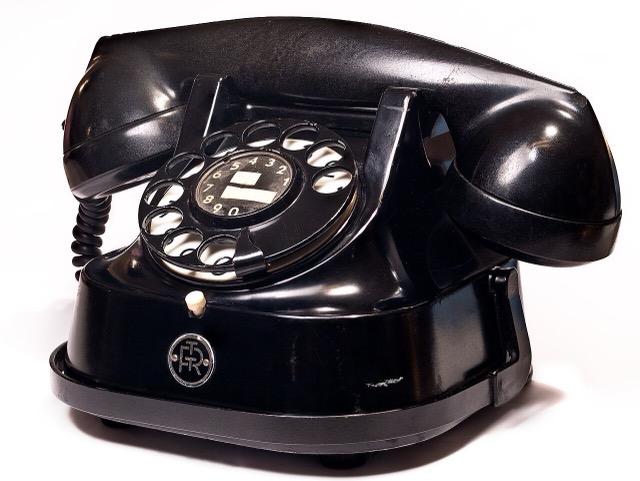
The Queen’s private secretary, Sir Christopher Geidt, will use a secure phone line to contact Britain’s Prime Minister, Theresa May, with the previously agreed-upon code words: “London Bridge is down.” The Queen is the head of state of 15 governments outside the UK and serves as a nominal leader for another 36 nations; the news will pass to the leaders of these countries next.
Then there is the matter of notifying the media, and subsequently, the rest of the planet. A press release will go out to the UK’s press agency and to media outlets around the world. As soon as the news is made public, a door at Buckingham Palace will open and a footman outfitted in black will exit to pin a “black-edged notice” to the castle gates; the castle website will be updated to a single black webpage bearing the same text as the notice.
Around the time of the Cold War, the BBC installed a “radio alert transmission system,” or RATS; the alarm’s purpose was to alert the nation in the event of an attack or emergency. Most BBC staff have only heard the alarm employed in tests, but after the Queen passes, the alarm will sound as a call to national mourning.
Lack of content will not be an issue: The Guardian reports that the paper’s deputy editor has a list of stories ready to go; the Times purportedly has 11 days’ worth of queen-related coverage planned. Other news organizations have practiced extensively, utilizing the name “Mrs. Robinson” during covert rehearsals. Experts are locked into contracts to give their exclusive takes to specific news organizations. Radio stations have crafted two levels of playlists with “sad” and “saddest” music. Fewer comedy programs will air on TV, everyone will wear black and people will be released from work early.
The mourning period
The Queen’s death will be marked by a 12-day mourning period, followed by the funeral. During this time, the newly minted king will take a short tour of four countries to greet his new constituents (Queen Elizabeth embarked on similar tours after her father’s death in 1952).











Leave a reply