How the EPA’s reversal of a ban on a harmful pesticide will mess with you — and your wallet.
In 1962, a marine biologist named Rachel Carson published a little book called “Silent Spring.” In it, she analyzed a staggering amount of data to advance a simple thesis: The chemicals we’re using to tame the world around us are having a deep and unpleasant effect on our lives.
One of the most notable examples in the book was the pesticide DDT. The colorless, tasteless spray was invented in the years following World War II and came to be used extensively on crops all over the world. Unfortunately, it also brought with it serious health issues: Women exposed to it at any time, even in the womb, were five times as likely to develop breast cancer. And it wasn’t just being in the direct spray that was dangerous — DDT was transferred from crops to animals who ate it, and on to the milk from those animals, and the people who drank that milk. And DDT stayed in their bodies pretty much forever.
Carson’s book inspired the creation of the Environmental Protection Agency, a new branch of the federal government tasked with keeping our country — and our world — inhabitable for future generations. One of the EPA’s first actions was banning DDT usage on US soil.
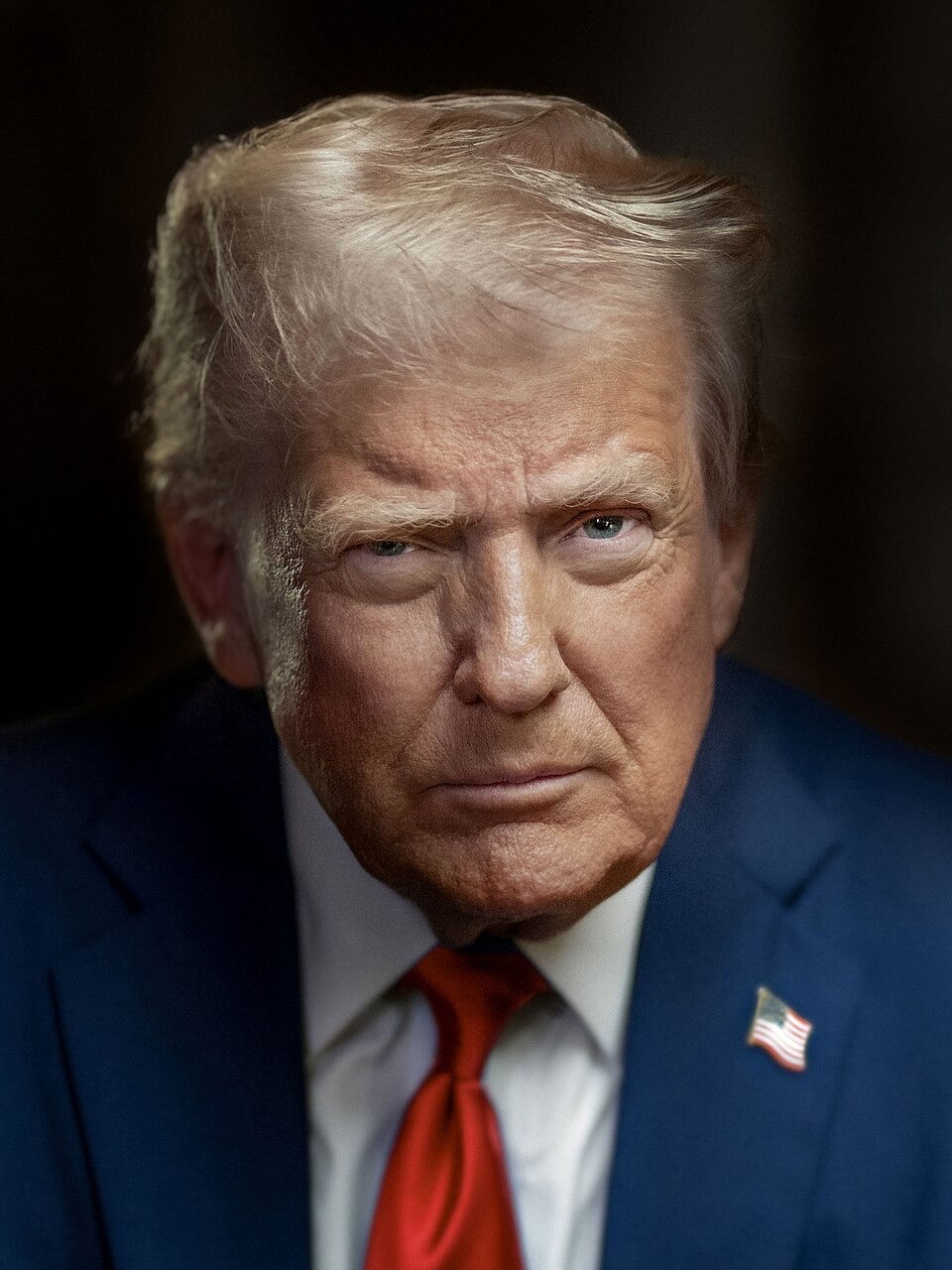
And now President Trump, in a move that can only be seen as symbolic, has made one of his Environmental Protection Agency’s first actions the exact opposite.
EPA head Scott Pruitt just signed an order that lets farmers keep using a pesticide called chlorpyrifos on a dozen different crops, despite a wealth of science that shows it negatively affects the brain development of children in the womb and increases the risk of neurological disorders. Chlorpyrifos has been banned from consumer products and residential use for more than 15 years.
It seems shocking that our government is OK with this, but it shouldn’t be. Corporations have been working against public safety ever since the EPA was established. The chemical industry attacked Rachel Carson as a Communist and tried to use her gender to tear down her bonafides as a scientist. For every move the government has taken to protect the health of its citizens — which is, let’s be clear, its job — there has been pushback and protest from big business.
Corporations have been working against public safety ever since the EPA was established.
But now we have a big business President, and the tables have turned.
Failing to ban a pesticide that has been proven to cause brain damage sets a chilling precedent for the next four years, but it’s not one that should surprise anyone. It’s exactly what Trump promised, and he’s just getting started.
The rallying cry of pretty much every Republican politician of the last four decades has been “smaller government.” They see a system in desperate overreach, spending too much money providing services that the states — or the citizens — should be doing themselves. Trump’s campaign hit the same sour notes, and once he took office, he followed through.
The 2017 budget cuts funding for pretty much every federal agency except the Department of Defense, and the EPA is the biggest victim. In fact, the man Trump appointed to head the department has been trying to undo it for years. Scott Pruitt used to describe himself as “the leading advocate against the EPA’s activist agenda,” so it’s a little ironic that he’s now running the show.
But the Republican quest to shut down the EPA betrays a pretty significant level of ignorance regarding how the agency — and the government — actually works. The agency didn’t create any of those onerous rules that Trump and his cronies rail against. Those are laws, passed by Congress. All stripping their funding does is take away our ability to enforce them.
The Republican quest to shut down the EPA betrays a pretty significant level of ignorance regarding how the agency — and the government — actually works.














Leave a reply