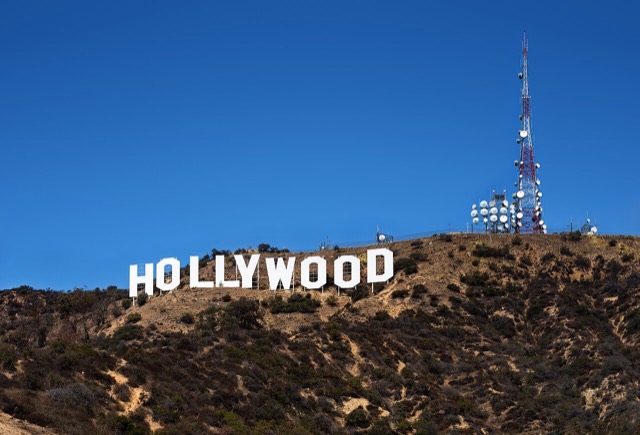
Hollywood and history keep whitewashing the Wild West.

The cowboy is an enduring symbol of American masculinity. The original “tough guy” or “bad boy,” cowboys are strong, brave and stoic — in short, they display all the societally-approved characteristics of a “real man”. But beyond their bandanas, Stetson hats and leather chaps, the best-known cowboys from both history and Hollywood share one key commonality: the color of their skin.
Over the last few years, historians, artists and filmmakers have worked hard to dispel the image of cowboys as an exclusively white community. Through art and education, they’re amplifying the narrative of the black cowboy — a population that is historically ignored and whitewashed.
Cowboys were a multicultural crew
Spaghetti westerns paint a very beige picture of the Wild West, but cattle hands and ranchers in the 1800s were a multicultural crew. A mixture of black, white, Native American and Mexican men (and women,) cowboys toiled together on the open land of the southwestern United States.
Black cowboys were particularly adept at the profession because many of them had prior experience with cattle herding — some of the Western African men taken from their homes to serve as American slaves were ripped from communities of cattle herders. After the Emancipation Proclamation was issued in 1863, former slaves made their way out west to pursue work that was familiar and allowed them to take advantage of their newfound independence.
The real Lone Ranger
Cowboys were a diverse group, but inequality still permeated the range. Black cowboys were expected to perform the most challenging and dangerous tasks, like herding cattle across rivers and taming horses. In a piece for Black America Web, Erica Taylor writes, “The life of the black cowboy was tougher than most.”

Despite the rampant discrimination, black cattle hands surpassed expectations and became legends in their own right. Nat Love wrote his way into history; his memoirs provide a firsthand account of his time herding cattle across the western United States. Mary Fields, also known as “Stagecoach Mary,” hauled freight and supplies for Montana nuns before landing a job with the US Postal Service. Bass Reeves — a former slave turned farmer and rancher — was the first black US Deputy Marshal west of the Mississippi River. It is widely speculated that Reeves was the real Lone Ranger, or at the very least, served as the inspiration for the radio show character.











Leave a reply