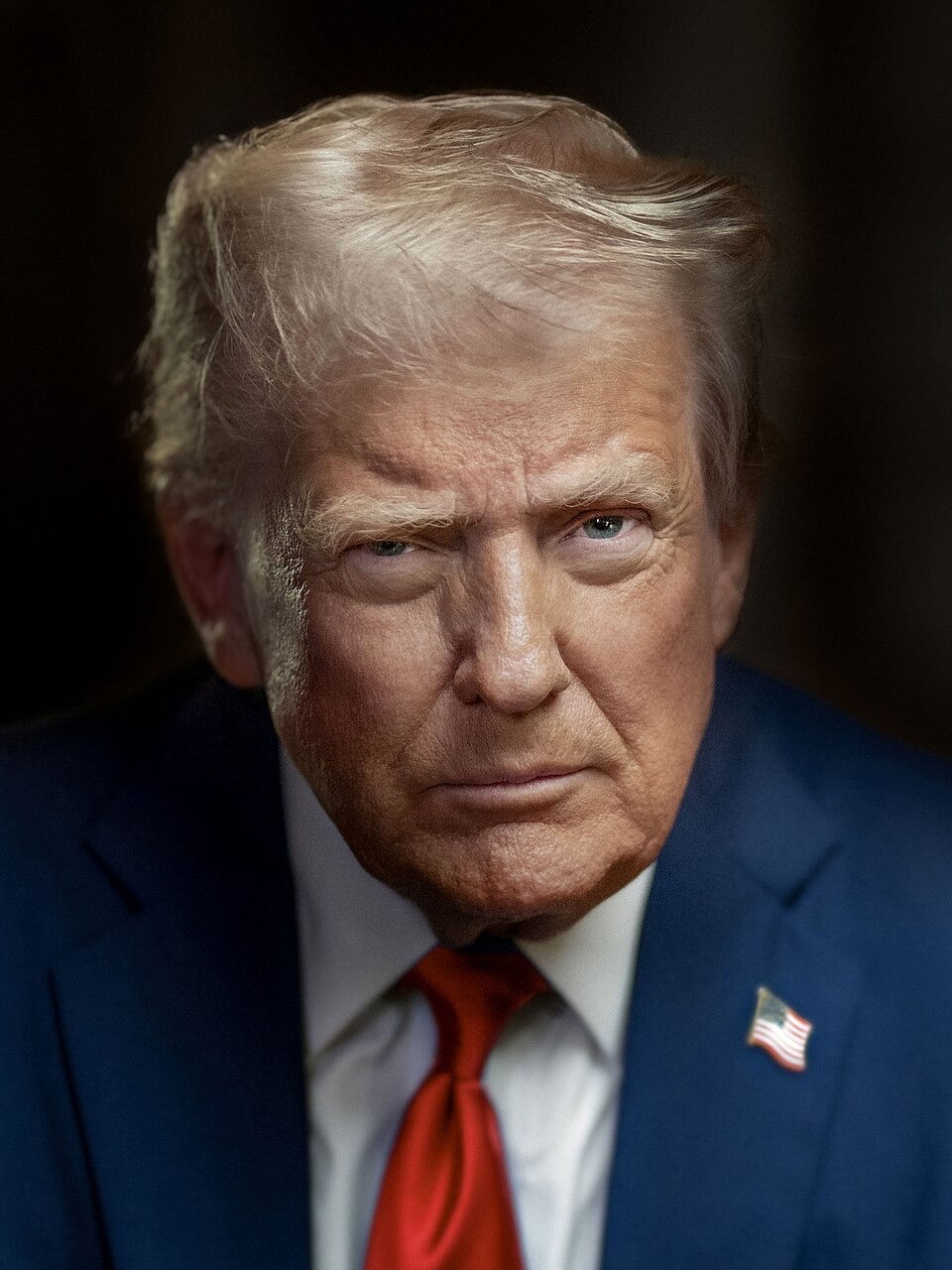
Donald Trump’s revised travel ban has been blocked by federal judges in both Maryland and Hawaii.
The rulings came just hours before the new ban was due to take effect across the US.
Hawaii District Judge Derrick Watson ruled there was a strong likelihood that “irreparable injury is likely if the requested relief is not issued”.
He also pointed to “questionable evidence supporting the government’s national security motivation”.
His ruling prevents the President’s executive order restricting travel to the US from Muslim-majority countries from going into effect today.
Mr Trump hit out against the decision as he visited Nashville, Tennessee, claiming it was “flawed” and an example of “unprecedented judicial overreach”.
He said the court’s decision “makes us look weak” and said he was prepared to fight it all the way to the Supreme Court if necessary.
“We’re going to win. We’re going to keep our citizens safe,” he told a rally, paid for by his 2020 re-election campaign.
In Nashville, Tennessee! Lets MAKE AMERICA GREAT AGAIN! pic.twitter.com/m5UR4vv6UH
— Donald J. Trump (@realDonaldTrump) March 16, 2017
More than half a dozen states have been trying to stop the ban.
Hawaii argued that the ban discriminates on the basis of nationality and would prevent Hawaii residents from receiving visits from relatives in the six countries covered by the ban.
The state also said the ban would harm its tourism industry and the ability to recruit foreign students and workers.
The judge was nominated to the federal bench by Barack Obama in 2012 and is currently the only Native Hawaiian judge serving at that level.
Donald Trump has said the restrictions on all refugees and people from Iran, Libya, Somalia, Sudan, Syria and Yemen are needed to prevent extremists from entering the US.
He was boosted by a ruling from a federal appeals court judge, who said the President does have the authority to block foreign travellers and that courts should defer to his authority in decisions about who enters the country.
But at another hearing in Maryland, lawyers said the revised measure still discriminates unfairly against Muslims.
Government lawyers argued that the ban was changed to address legal concerns, including the removal of an exemption for religious minorities from the affected countries.












Leave a reply