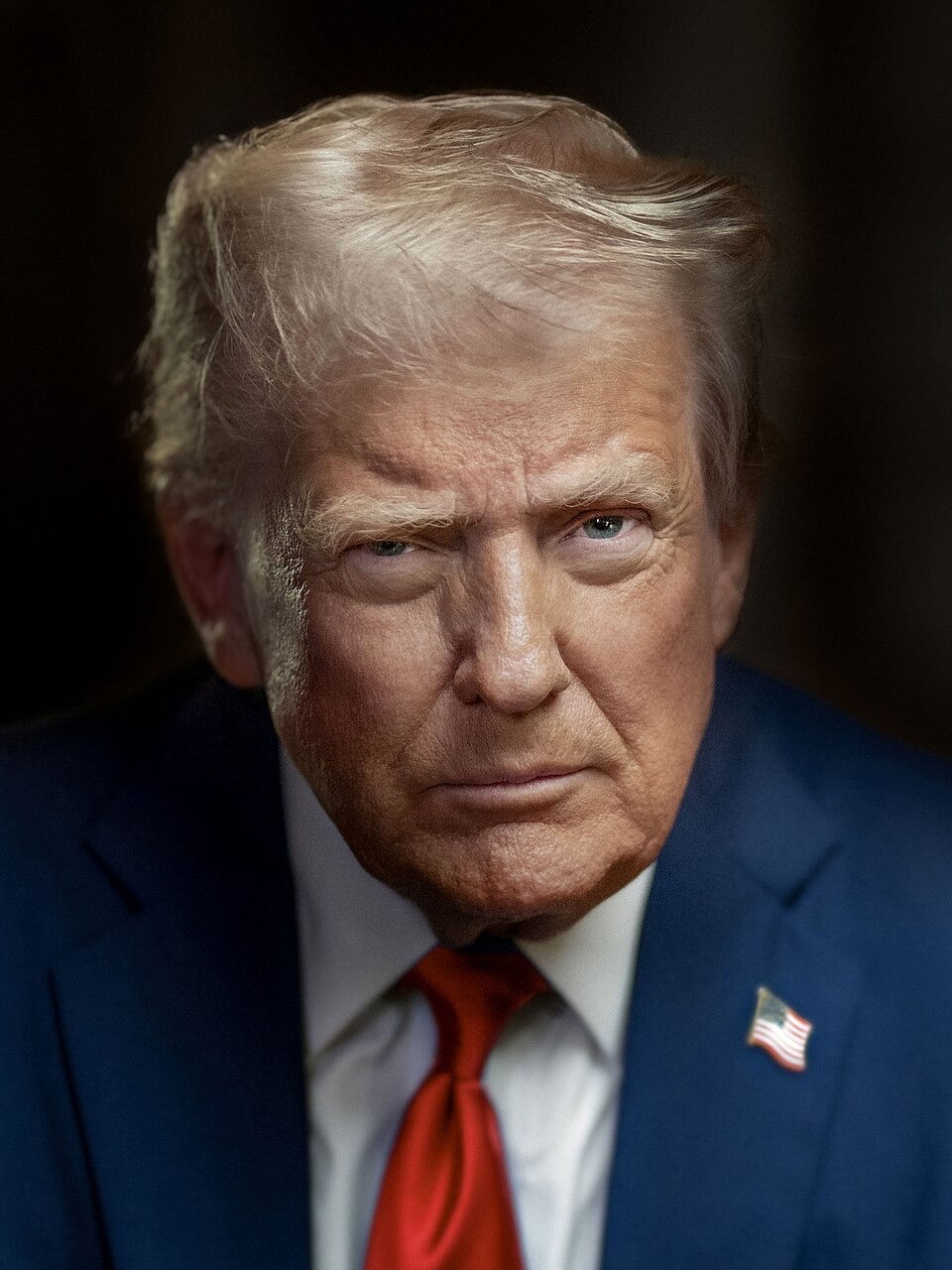
All he had to do was keep smiling and let the extravagant hospitality of his Saudi hosts carry him through the day, which reached a high point with the signing of the biggest arms deal in history.
There’s nothing like an investment of $110bn (£85bn) with the prospect of a further $250bn (£192bn) in trade to settle the stomach after a queasy few weeks back home.
It’s unlikely that King Salman would have asked about why Donald Trump fired James Comey, boasted about it to the Russians or what he thought his odds were in beating calls for the President’s impeachment.
Mr Trump, we can be sure because the deal was done, probably didn’t bring up Saudi Arabia’s human rights record, the absence of a free press, or the campaign in the Yemen against Shia rebels which has been criticised for high levels of civilian casualties.
When you’re looking to reset the directions of diplomacy with a new map and in a vehicle lubricated with billions of petrodollars, it doesn’t do to tip the sands of awkward truth into the gearbox.
So there has been no mention of Mr Trump’s near innumerable attacks on the Muslim faith, best summed up with his line from the presidential campaign: “Islam hates us.”
:: Where is Donald Trump visiting on his first foreign trip?

Saudi king greets Trump in Riyadh
The Saudis have focused on trying to get across that it is only a perverted version of their faith that leads to violence, and that they are in the forefront of fighting it – literally in Syria and Iraq and virtually, through a global digital hub, that Mr Trump will open in Riyadh today.
This is all fine.
But on his second day in the kingdom, Trump is due to address the combined heads of state and government of some 30 predominantly Muslim countries.
Before he left, he told Americans in a TV address that he expected the Islamic world to do more to fight extremism. Many of the leaders may agree with him.
Addressing the roots of Islamic extremist terror takes more than asking Muslims to do some soul searching.

Leave a reply