You have bought a new gadget, and now you cannot get it out of its box. The hard plastic shell will not tear, the edges are sharp, and the scissors keep slipping. That rising fury has a name: wrap rage. And it is not just annoying; every year it sends people to hospital.
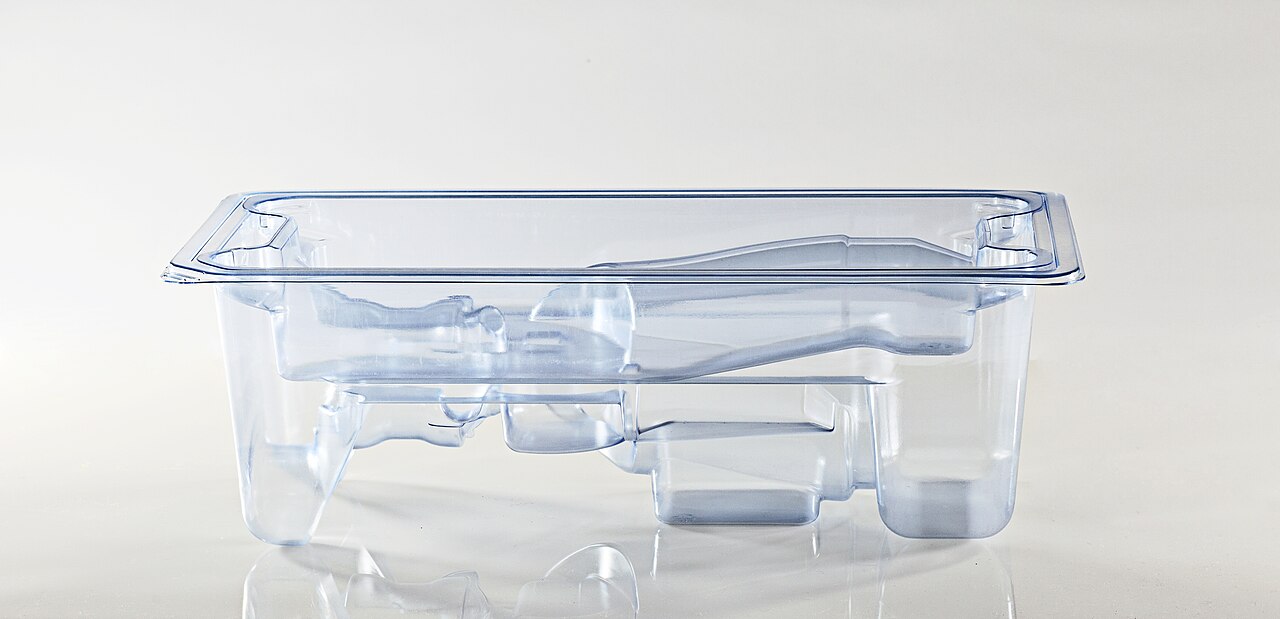
What is wrap rage?
Wrap rage is the frustration, and sometimes the injury, caused by packaging that is very hard to open.
The term first appeared in Britain's Daily Telegraph in 2003, and the American Dialect Society named it one of the most useful new words of 2007. The usual culprits are hard plastic "clamshell" cases, sealed around a product on all sides, and blister packs, where a product sits in a moulded plastic bubble fixed to a card.
Real injuries
The US Consumer Product Safety Commission estimated that people trying to open packaging made about 6,500 visits to American emergency departments in 2004. Doctors say the usual injuries are cuts to the fingers and hands and stab wounds to the palm. Most are caused by knives and scissors that slip as people struggle with tough plastic, while others come from the sharp edges of the plastic itself. Some injuries damage nerves or tendons and need surgery.
In a 2004 survey of 2,000 readers by the British magazine Yours, aimed at people over 50, 99 per cent said packaging had become harder to open over the previous decade. People with arthritis or weaker grip can find some packs almost impossible.
Why packaging is made this way
There are reasons. Clear plastic lets shoppers see a product before buying. Rigid packs protect items in transit and can be hung on display hooks. And large, awkward packaging makes small, valuable items such as memory cards harder to shoplift. Medicines are also deliberately sealed in tamper-evident and child-resistant packs for safety.
Pressure from shoppers has brought some changes. In 2008, Amazon launched its "Frustration-Free Packaging" programme, encouraging makers to ship products in simple recyclable cardboard boxes that are easy to open. Many companies have since cut back on hard plastic, partly to reduce waste.
How to open packaging safely
- Use the right tool. Tin snips or sturdy kitchen scissors usually cut hard plastic more safely than a knife.
- Cut away from yourself. Keep your other hand out of the path of the blade, and never hold the pack against your body.
- Work on a flat surface, rather than in your lap or in mid-air.
- Watch the edges. Freshly cut plastic can be razor sharp, so handle it carefully and put it straight in the bin or recycling.
- Do not use your teeth. It is a common habit, and a good way to chip a tooth.










Leave a reply